Head-to-head comparison
Just One vs Wavelength
Just One is calm and cooperative; Wavelength is competitive and loud. Both are party games the non-gamers in the family will actually ask for again.
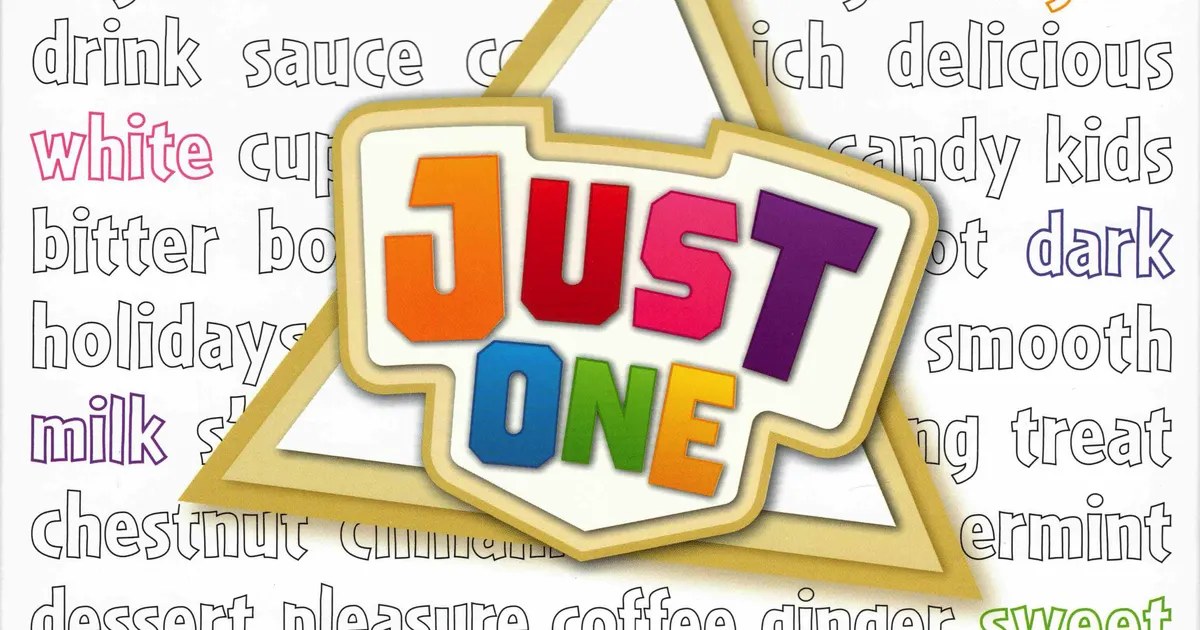 Light weight
Just One
Light weight
Just One
$24.99
Cooperative party game. Give one-word clues. Sets up in 30 seconds.
Buy Just One · $24.99 → Light weight
Wavelength
Light weight
Wavelength
$34.99
Team-based concept-guessing. Lights up mixed-age tables. Endlessly replayable.
Buy Wavelength · $34.99 →Pick Just One if
You want the cooperative one. Everyone writes a one-word clue, duplicates get wiped, and the guesser works with what survives. Thirty seconds to set up, twenty minutes to play, three to seven players.
Pick Wavelength if
You want teams and arguments. Wavelength asks where a concept sits between two extremes, and the debate before the dial turns is the game. Two to twelve players, so it swallows a whole party.
The tradeoff.
Just One
Just One is a cooperative word-guessing party game where one player tries to identify a mystery word while the others provide one-word clues. Each round, the guesser leaves the table while everyone else sees the target word and writes down a single clue. The guesser returns, reads all clues aloud, and attempts to name the word before time expires. The catch is elegant: any clue word that matches another player's clue gets erased before the guesser sees it, rewarding originality and punishing obvious or duplicate thinking. This mechanic transforms what could be a straightforward guessing game into a surprisingly thoughtful exercise in perspective-taking and lateral thinking.
What sets Just One apart from similar party games is how it generates genuinely interesting moments at the table. Rather than rewarding quick reflexes or trivia knowledge, it creates situations where players debate whether a clue is too obvious or distinctive enough to survive potential duplication. The tension isn't frantic, it's contemplative, almost meditative. Players watch the guesser's face as clues appear, hoping their specific word choice will trigger recognition without collision. Families and casual game groups will appreciate that it doesn't require any special knowledge or artistic skill, yet it respects players' intelligence by requiring real strategic thinking about how others will perceive language.
Best for: 5+ Players, Cooperative, Family with Kids
Wavelength
Wavelength strips concept-guessing down to its essence. Two teams take turns with one player acting as the "guesser" while their teammate gives clues about a word or phrase displayed on a card. The twist is the electromagnetic spectrum: clue-givers place a physical wavelength token somewhere along a spectrum printed on the board, anchored by two opposing concepts. A token placed toward "spicy" instead of "mild" suggests different guesses than one near "action" instead of "romance." Teams score points when their guesser lands on the target concept, creating a beautifully simple loop that runs smoothly even with twelve players rotating through.
What sets Wavelength apart is how it creates genuine communication breakthroughs at the table. Unlike games where one person's knowledge dominates or turns drag on forever, this one keeps energy constant and everyone invested regardless of whose teammate is guessing. The spectrum mechanic forces elegant, intuitive clue-giving that generates those magical table moments, someone places their token and suddenly the guesser's face lights up with recognition. Families especially benefit because the game doesn't punish inexperience or pop culture ignorance; you're never lost if you've never heard of someone or something.
Best for: 5+ Players, Family with Kids, Holiday Gathering
These are editorial picks; publishers cannot pay to appear here. Amazon links fund the site, and if you'd rather buy local, find a store via BoardGameGeek.
Also worth considering.
Games that share contexts with both Just One and Wavelength.
Birds, engine-building, exquisite art. Plays light enough for casual nights, deep enough for repeat play.…
Pattern-laying tile game. Looks beautiful on the table. Teaches in five minutes.…
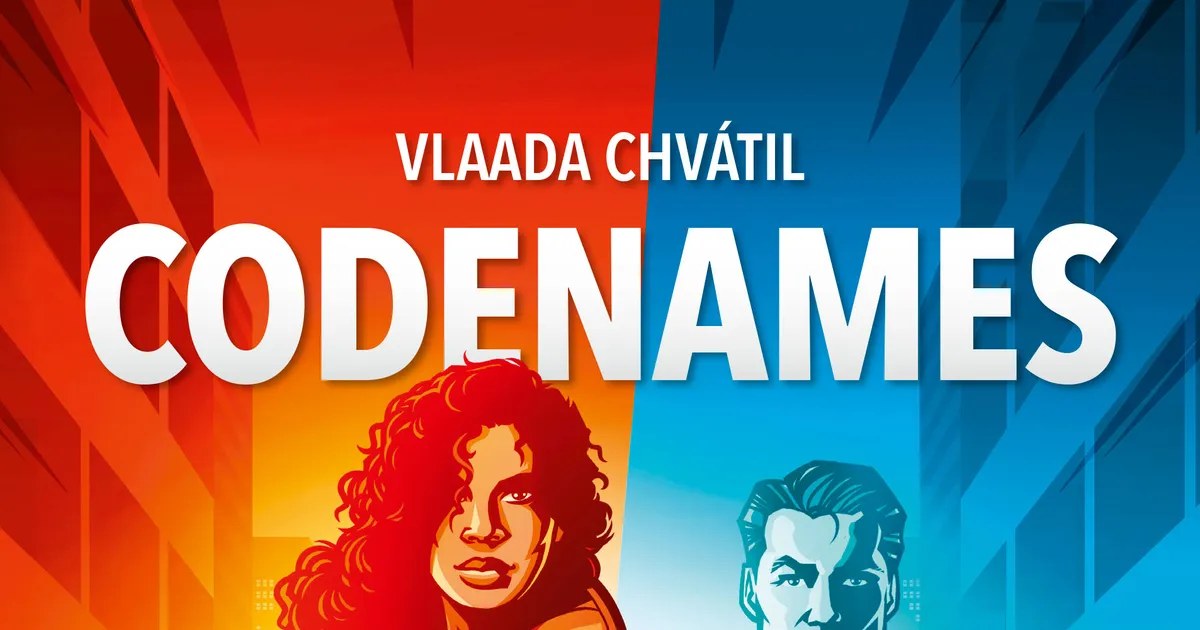
Word-association party game. Plays with grandparents, college kids, anyone in between.…
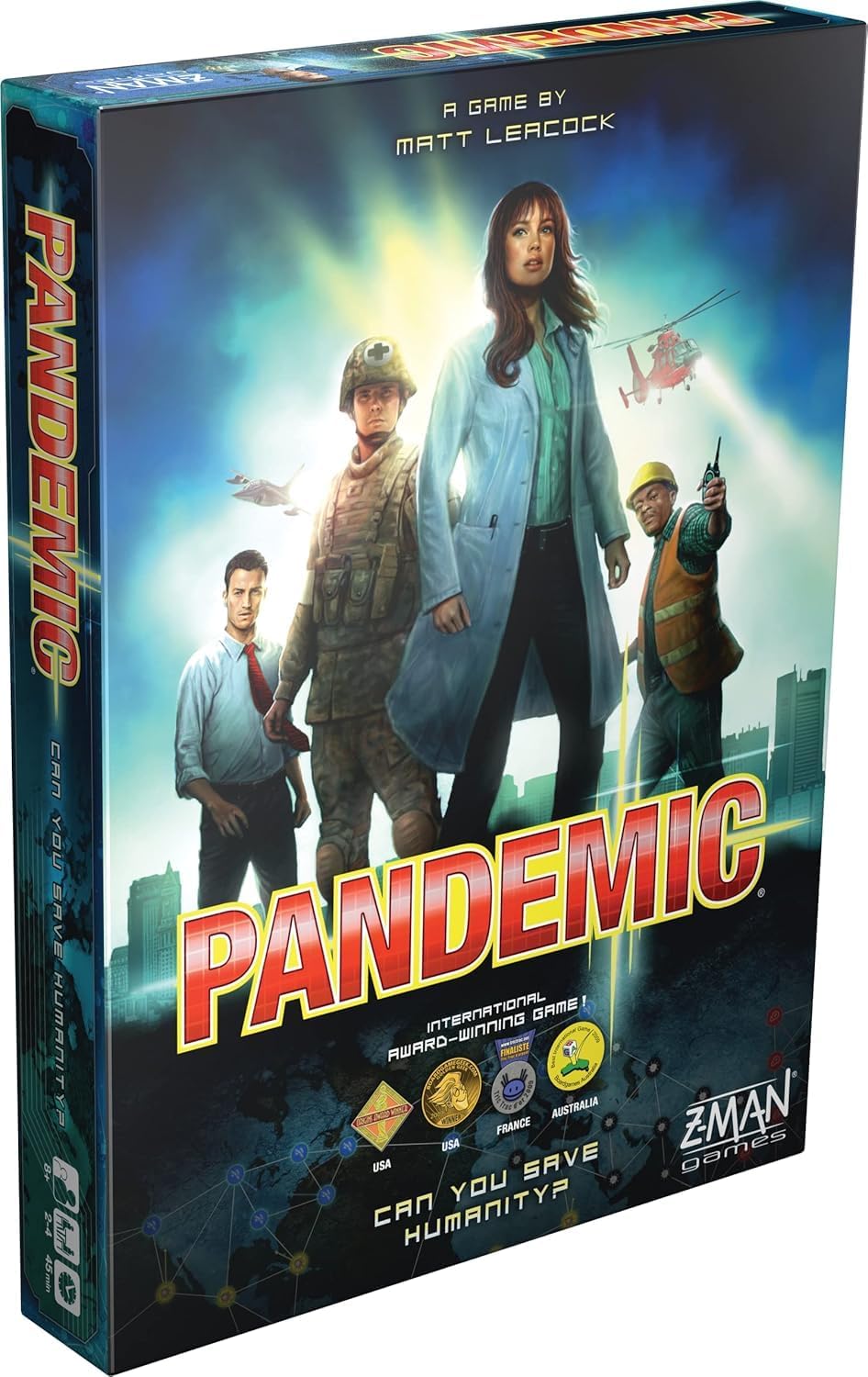
Cooperative classic. Save the world together. The game that converts non-gamers.…